What is Your Water Footprint Color?
Considering the change in consumption habits and population since those years, it is safe to deduce that the global annual water footprint has increased considerably. Since it is obvious that international trade or the production of electronic goods cannot be stopped, it seems that there is not much that can be done to reduce our water footprint, but it is possible to reduce the global water footprint with the measures to be taken during the production phase and on an individual basis. Treatment technologies are at the forefront of the measures that can be taken during the production phase. By the use of purified water and sludge cake, obtained by dewatering the wastewater generated during the production phase, in different areas, sustainability can be achieved.

From Past to Present: Wine
The land of Anatolia, where such myths go through wine; is the starting point of viticulture and therefore production of wine. When we look at the archaeological finds, which are the most realistic evidence for us, there are many indicators showing that the Hittites are interested in viticulture and wine in 2000 BC. Sculptures containing wine figures and drinking pots from that period are the most important findings.

Secret of Quality in Whey Production
Whey is one of the most important by-products of milk technology. In general, remaining liquid as a result of processing milk to cheese is called whey, and contains high amount of significant nutrients such as vitamin B and protein. Because of that feature, whey is used as a source of protein in many products, from sports drinks to baby foods, from food supplements to drugs. The use of whey in such a wide range of products leads to the need for more sensitive and more effective process need in production. The requirement of these processes is the clarifiers and cream separators. The separators for milk and whey applications designed by Polat Makina provide the best result in increasing the efficiency and profitability by meeting the expectations of our manufacturers like you in price/performance.
Tradition Coming from Centuries Ago: Wheat
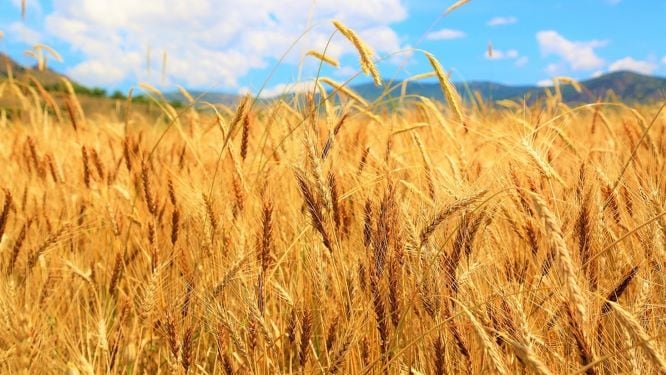
The use of starch, the most important compound of wheat, which has vital importance in the history of civilization, dates back to the pre-dynastic period of the Egyptians. During this period, starch obtained from wheat was first used as an adhesive to bond papyrus papers. The scientific writing of the starch production process was carried out by the Roman statesman Marcus Porcius Cato (Sage Cato), who lived between 234-149 BC. Wheat starch production in the middle ages became an important industry in the Netherlands, and for a long time, it was considered to be of high quality. The first form of starch modification applied in this period emerged as a result of the hydrolysis of starch with vinegar.
Our New Design: Centripetally Decanter
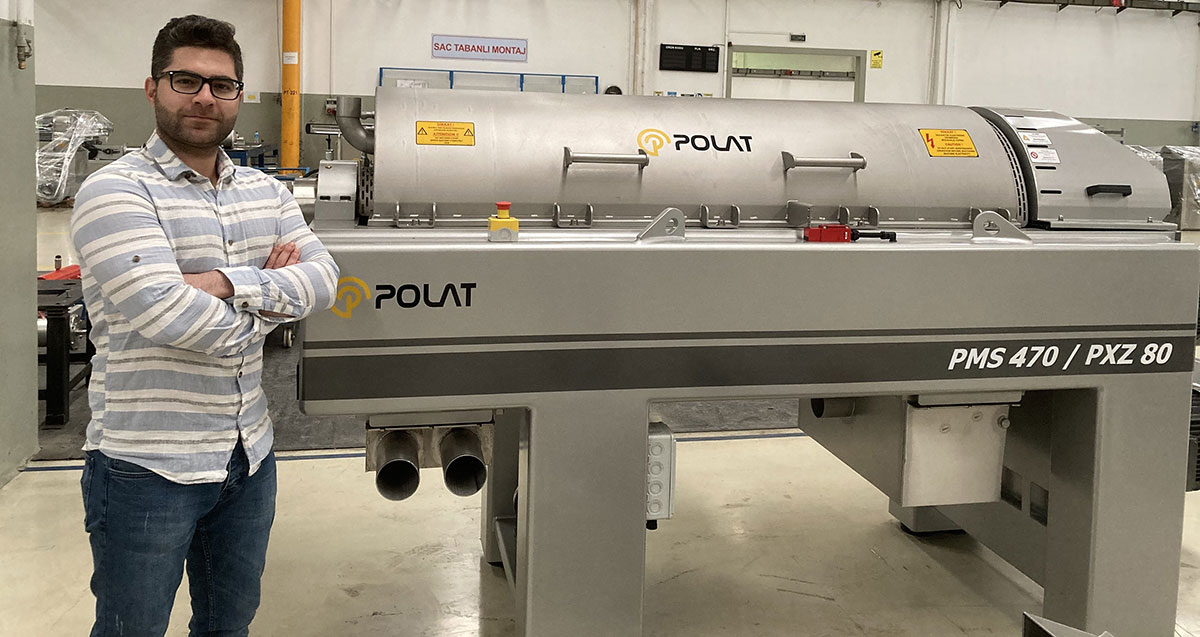
As Polat Makina, we also take into account the efforts to market a product that can always be competitive in the sector from every angle and in this context, we direct our designs. In the pandemic process that we have entered since the first quarter of 2020, societies have fallen into more consumer positions and food consumption in the market has increased significantly, which has required us to take on new roles in the process. As a result of our work in 2020, especially in line with the needs of the citrus sector, we were happy to bring a new product to the sector and Polat Makina. This product, which we call ”Centripetally Decanter”, is aimed to be among the preferences of food organizations with such productions as especially orange juice, mandarin juice, apple juice, etc.

We Work for a More Viable World...
Briefly, the aim of dewatering and treatment is to recycle valuable raw materials in wastewater or production waste formed in municipalities and industrial implementation areas and to ensure the economic disposal of waste sludge without harming the environment. For a more viable world, Polat Makina performs its duties and responsibilities all over the world in the best manner by making a significant contribution to the life cycle with its equipped technical staff and centrifugal technologies designed with environmental awareness and produced without compromising quality.

Nature’s Blue Energy: Biogas
The use of Polat Makina centrifuge technologies in the anaerobic fermentation process gives the best result in biogas production due to its high performance/price ratio.
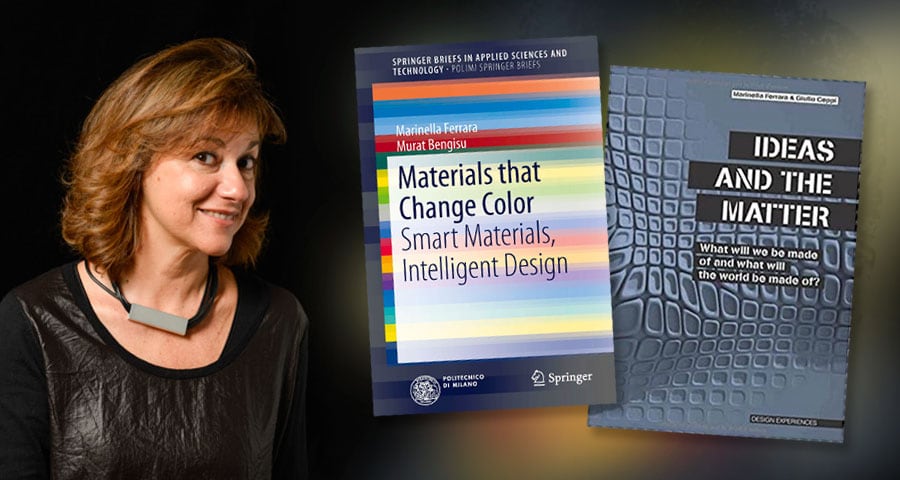
Marinella Ferrara
We spoke with the world renowned Italian professor of Industrial Design, Mr. Marinella Ferrara, about industrial design and the machinery sector.